43 explosive symbols are used to label materials that release great amounts of energy in all these forms except
Hazard Communication - Overview | Occupational Safety and Health ... OSHA's Hazard Communication Standard (HCS) requires the development and dissemination of such information: Chemical manufacturers and importers are required to evaluate the hazards of the chemicals they produce or import, and prepare labels and safety data sheets to convey the hazard information to their downstream customers; All employers with ... PDF University of North Georgia University of North Georgia
Reactivity Series - Reactivity of Metals Chart, Features, Uses The reactivity series of metals, also known as the activity series, refers to the arrangement of metals in the descending order of their reactivities. The data provided by the reactivity series can be used to predict whether a metal can displace another in a single displacement reaction.

Explosive symbols are used to label materials that release great amounts of energy in all these forms except
Explosive symbols are used with those materials that release Jun 02, 2022 · Explosive symbols are used to label materials that release great amounts of energy in all of the following EXCEPT: Sound. Expert answered| Jozeal |Points 82333| Log in for more information. Definition, Different Forms of Energy and FAQs - VEDANTU Nuclear Energy, also known as atomic energy, is defined as the energy that is released as a result of processes in which atomic nuclei (i.e., the core of the atom) are affected. There are two methods by which nuclear energy can be released. One is known as nuclear fission and the other one is known as nuclear fusion. The Transformation of Energy 3.1 Formula Mass and the Mole Concept - Chemistry A mole is defined as the amount of substance containing the same number of discrete entities (such as atoms, molecules, and ions) as the number of atoms in a sample of pure 12 C weighing exactly 12 g. One Latin connotation for the word "mole" is "large mass" or "bulk," which is consistent with its use as the name for this unit.
Explosive symbols are used to label materials that release great amounts of energy in all these forms except. 7 Types of Electromagnetic Waves - Sciencing X-rays: Penetrating Radiation ••• X-rays are extremely high-energy waves with wavelengths between 0.03 and 3 nanometers -- not much longer than an atom. X-rays are emitted by sources producing very high temperatures like the sun's corona, which is much hotter than the surface of the sun. Electrostatics - Wikipedia Electrostatics is a branch of physics that studies electric charges at rest ( static electricity ). Since classical times, it has been known that some materials, such as amber, attract lightweight particles after rubbing. The Greek word for amber, ἤλεκτρον ( ḗlektron ), was thus the source of the word ' electricity '. Glossary of Terms and Symbols Used in Pharmacology A: An amount of drug or chemical in units of mass such as milligrams. Special attributes of the amount are indicated by subscripts: A 0, the amount of drug in the body at "zero-time;" A B, the amount of drug in the body; A U, the amount of drug recovered in the urine, etc.The amount of drug in the drug's volume of distribution is equal to the concentration of the drug times the volume: A ... 1.3 Physical and Chemical Properties - Chemistry Sometimes called a "fire diamond" or "hazard diamond," this chemical hazard diamond provides valuable information that briefly summarizes the various dangers of which to be aware when working with a particular substance. Figure 4. The National Fire Protection Agency (NFPA) hazard diamond summarizes the major hazards of a chemical substance.
The Dangerous Substances and Explosive Atmospheres Regulations 2002 What is DSEAR? DSEAR stands for the Dangerous Substances and Explosive Atmospheres Regulations 2002. Dangerous substances can put peoples' safety at risk from fire, explosion and corrosion of metal. DSEAR puts duties on employers and the self-employed to protect people from these risks to their safety in the workplace, and to members of the ... In osha Explosive symbols are used to label materials that ... Jun 15, 2017 · In osha Explosive symbols are used to label materials that release great amounts of energy and all of the following forms except? Wiki User ∙ 2017-06-15 02:32:29 OSHA 10 Construction Final Test Answer Key Training ... cost analysis (correct answer) Explosive symbols are used to label materials that release great amounts of energy in all of the following forms EXCEPT: ... Health hazards Flashcards | Quizlet Explosive symbols are used to label materials that release great amounts of energy in all of the following EXCEPT: Sound Training for employees exposed to hazardous chemicals must include all of the following EXCEPT: How to dispose of the chemicals after use Health hazards can affect a body through all of the following routes of entry EXCEPT:
Helium-3 - Wikipedia Helium-3 (3 He see also helion) is a light, stable isotope of helium with two protons and one neutron (the most common isotope, helium-4, having two protons and two neutrons in contrast).Other than protium (ordinary hydrogen), helium-3 is the only stable isotope of any element with more protons than neutrons. Helium-3 was discovered in 1939. Helium-3 occurs as a primordial nuclide, escaping ... TRANSPORT AND STORAGE - International occupational safety & health ... Explosives This class contains articles, preparations, and substances such as ammunition, TNT, dynamite, nitrourea, fireworks. Risks involved A transport accident involves acute risk of explosion. The pressure wave can be devastating, and flying splinters may cause great damage. The heat of the blast can result in a fire. OSHA 10 Hour Flashcards | Quizlet A hazard warning label may contain words, pictures, symbols, or any combination thereof which convey the specific physical and health hazard (s), including target organ effects of the chemical (s) in the container (s). Personal protective equipment includes all these devices or clothing EXCEPT: Container labels 1 - Richard A. Muller 1. Energy and Power . and the physics of explosions . Comet Shoemaker-Levy crashes into Jupiter [1]. At the end of the Cretaceous period, the golden age of dinosaurs, an asteroid or comet about 10 miles in diameter headed directly towards the Earth with a velocity of about 20 miles per second, over ten times faster than our speediest bullets.Many such large objects may have come close to the ...
Household chemicals and their impact - ScienceDirect
Osha (occupational safety and health administration)(1) Flammables. MATERIALS USING THE EXPLOSIVE SYMBOL Explosives are materials which release a tremendous amount of energy. MATERIALS USING THE FLAMING “O” SYMBOL ...
Guidance on the Application of the CLP Criteria
GLOBALLY HARMONIZED SYSTEM OF CLASSIFICATION ... including material safety data sheets and easily understandable symbols, should be ... and any impurities deriving from the process used, but excluding any ...
SAFETY AT ACCIDENT SITE
Safety Data Sheets (SDS) Explained - Link Family Section 1 - Identification identifies the chemical on the SDS as well as the recommended uses. It also provides the essential contact information of the supplier. Section 2 - Hazard (s) identification includes the hazards of the chemical and the appropriate warning information associated with those hazards.

NFPA
Explosive symbols are used with those materials that release Jun 02, 2022 · Explosive symbols are used to label materials that release great amounts of energy in all of the following EXCEPT: Sound. Expert answered| Jozeal |Points 82333|. Log in for more information. Question. Asked 36 days ago|6/2/2022 7:55:57 PM. 0 Answers/Comments.

Hydrogen - Wikipedia
Protons, Neutrons, and Electrons - Middle School Chemistry Protons and neutrons are in the center of the atom, making up the nucleus. Electrons surround the nucleus. Protons have a positive charge. Electrons have a negative charge. The charge on the proton and electron are exactly the same size but opposite. Neutrons have no charge. Since opposite charges attract, protons and electrons attract each other.
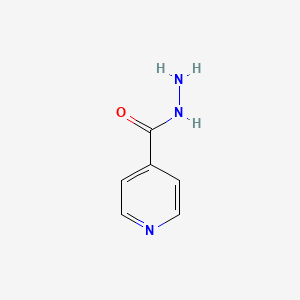
Isoniazid | C6H7N3O - PubChem
Weegy Weegy: A trip to the ocean can be a relaxing escape from the everyday pressures of life. A sailboat glistening on the horizon provides a mental escape to faraway places. The rhythm of the ocean beating against the sand is sedating music to a troubled mind. [ [ A slow, gentle breeze can relax your tensions.

Reimagining our futures together: a new social contract for ...
Chemical Hazards and Toxic Substances - Overview | Occupational Safety ... Most of OSHA's PELs for Shipyard Employment are contained in 1915.1000 - Toxic and Hazardous Substances, and are listed by chemical name. Most of OSHA's PELs for Construction are contained in 1926.55 - Gases, Vapors, Fumes, Dusts, and Mists, and are listed by chemical name. However, many of these limits are outdated.
HAZARD COMMUNICATION PROGRAM PURPOSE SCOPE
What are Exothermic Reactions? (with Examples and Video) - BYJUS An exothermic reaction is a reaction in which energy is released in the form of light or heat. Thus in an exothermic reaction, energy is transferred into the surroundings rather than taking energy from the surroundings as in an endothermic reaction. In an exothermic reaction, the change in enthalpy ( ΔH) will be negative.
SURVIATION
How to Comply with Federal Hazardous Materials Regulations The term "Hazardous Materials" includes all of the following: (1) Hazardous Substances, (2) Hazardous Wastes, (3) Marine Pollutants, (4) Elevated Temperature Material (5) Materials identified in 172.101, and (6) Materials meeting the definitions contained in Part 173. HM REGULATED BY U.S. D.O.T. CLASS 1 EXPLOSIVES DIVISION 1.1 MASS EXPLOSIVE HAZARD

Materials | Free Full-Text | Picosecond Bessel Beam ...
Phase Change | Example of Deposition, Sublimation, Condensation ... A phase change is the process of a substance gaining or losing energy so that molecules or atoms either come closer together or become farther apart. When a solid gains enough energy, it becomes a...

The air conditioning trap: how cold air is heating the world ...
PDF Oxidizers Chemical Hazards & Risk Minimization Remove any of one of these four requirements and there is no combustion process. Normal combustion is simply a relatively rapid oxidation reaction that is accompanied by the emission of energy in the forms of heat and light. As heat is applied to a combustible material, the molecules that compose the material start to vibrate rapidly. If the ...
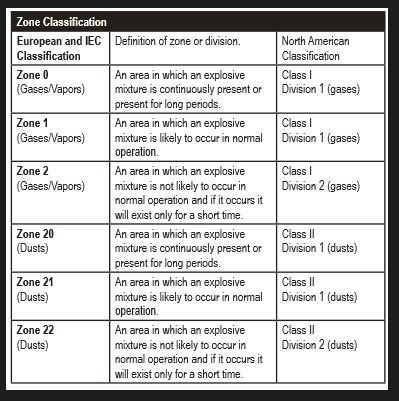
Hazardous
Explosive Symbols Are Used To Label : Ansi Safety Label ... Pictograms are graphic symbols used to communicate specific information about the hazards of a chemical. In addition to pictograms, labels are required to include a . Learn to make custom labels of your own. Explosive symbols are used to label materials that release great amounts of energy in all of the following except: Shipping a package with ...

The Nine DOT Hazard Classes Explained: Explosives, Gases, & More
An Introduction to Combustion (Burning) Reactions - ThoughtCo A combustion reaction is a major class of chemical reactions, commonly referred to as "burning." In the most general sense, combustion involves a reaction between any combustible material and an oxidizer to form an oxidized product. It usually occurs when a hydrocarbon reacts with oxygen to produce carbon dioxide and water.
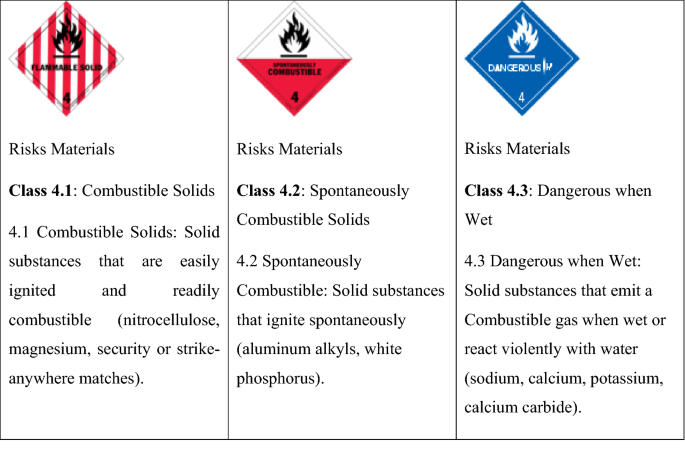
Management of risks substances and sustainable development ...
Basic Ozone Layer Science | US EPA The Earth's ozone layer ozone layerThe region of the stratosphere containing the bulk of atmospheric ozone. The ozone layer lies approximately 15-40 kilometers (10-25 miles) above the Earth's surface, in the stratosphere. Depletion of this layer by ozone depleting substances (ODS) will lead to higher UVB levels, which in turn will cause increased skin cancers and cataracts and potential damage ...
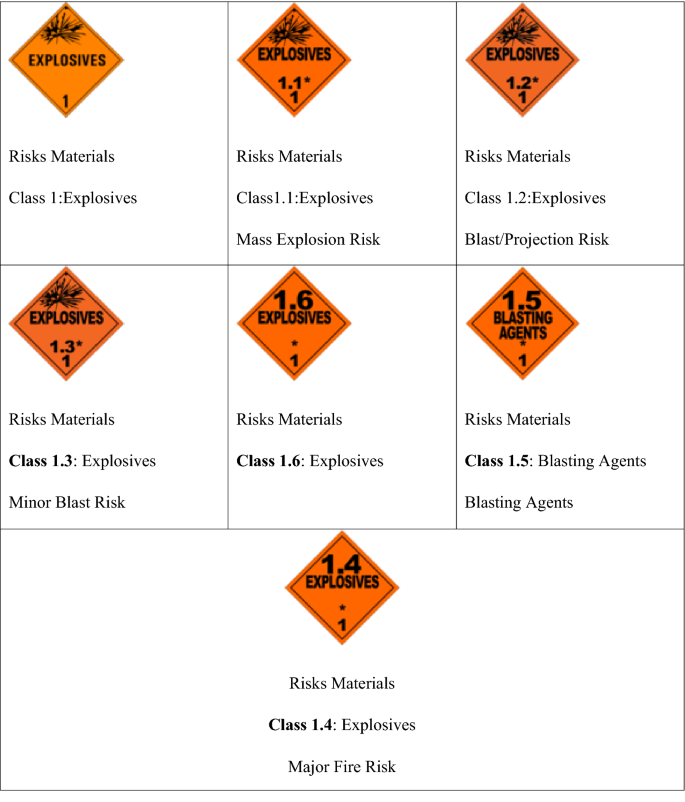
Management of risks substances and sustainable development ...
Electrolytic Cells - Purdue University Electrolysis literally uses an electric current to split a compound into its elements. This example also illustrates the difference between voltaic cells and electrolytic cells. Voltaic cells use the energy given off in a spontaneous reaction to do electrical work. Electrolytic cells use electrical work as source of energy to drive the reaction ...
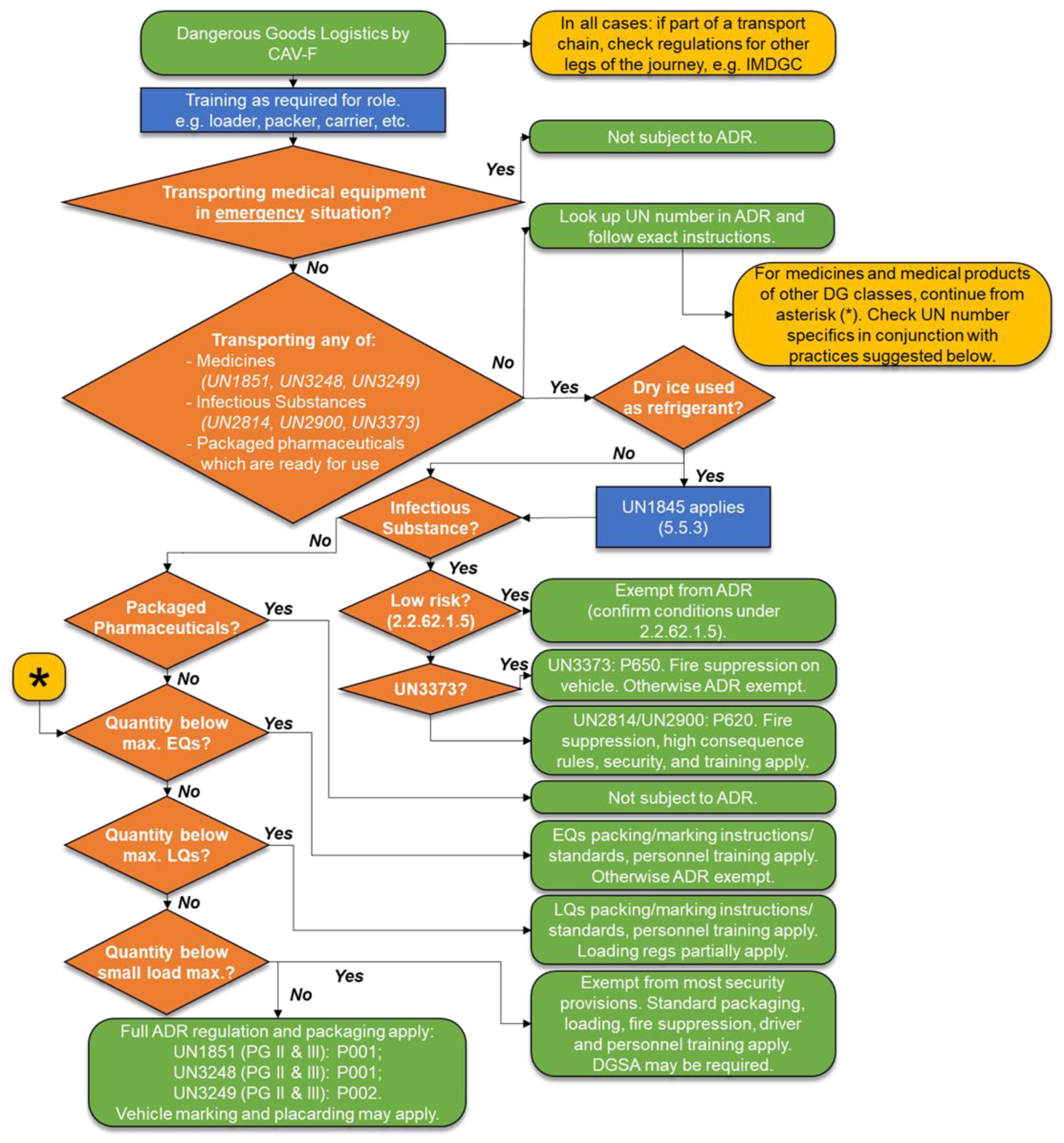
Sustainability | Free Full-Text | Enabling Safe and ...
noble gas | Definition, Elements, Properties ... - Britannica noble gas, any of the seven chemical elements that make up Group 18 (VIIIa) of the periodic table. The elements are helium (He), neon (Ne), argon (Ar), krypton (Kr), xenon (Xe), radon (Rn), and oganesson (Og). The noble gases are colourless, odourless, tasteless, nonflammable gases. They traditionally have been labeled Group 0 in the periodic table because for decades after their discovery it ...
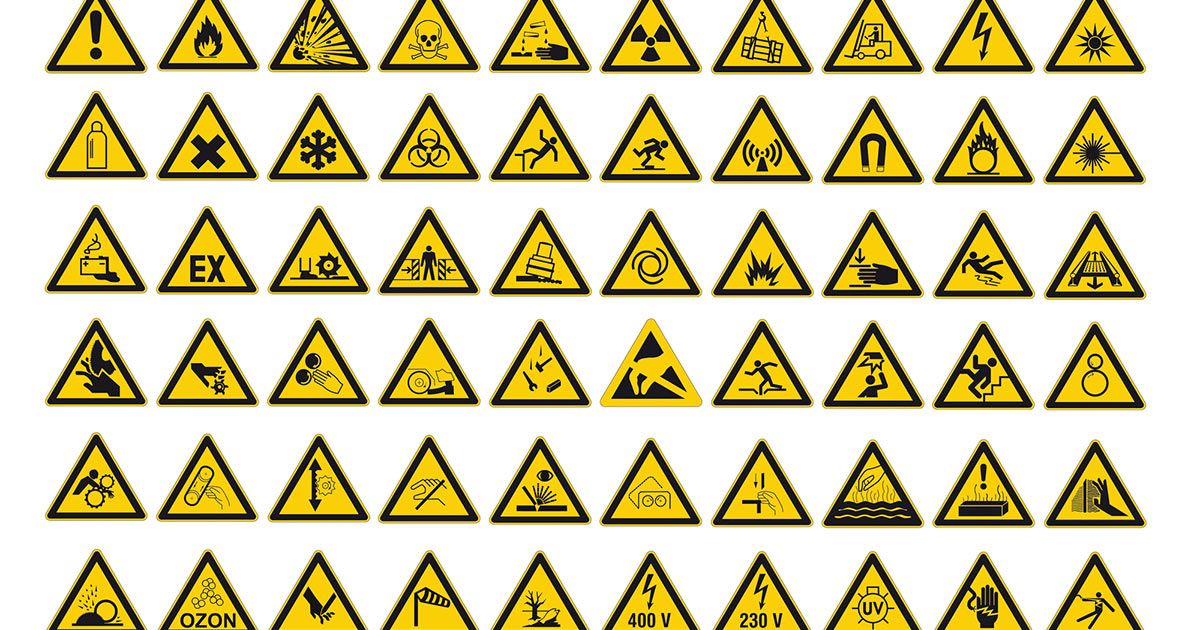
Workplace Safety Signs & Symbols Standards | Brady | Bradyid.com
Explosive substances - ILO NOTE: The use of the word "explosive" can have different meanings and ... the presence of such reactive groups and the potential for rapid energy release.
SURVIATION
Explosive Symbols Are Used To Label - A Guide to Chemical ... Feb 19, 2022 · Explosive symbols are used to label materials that release great amounts of energy in all of the following forms except. Hazard symbols and hazard pictograms. Whether you need to print labels for closet and pantry organization or for shipping purposes, you can make and print custom labels of your very own.
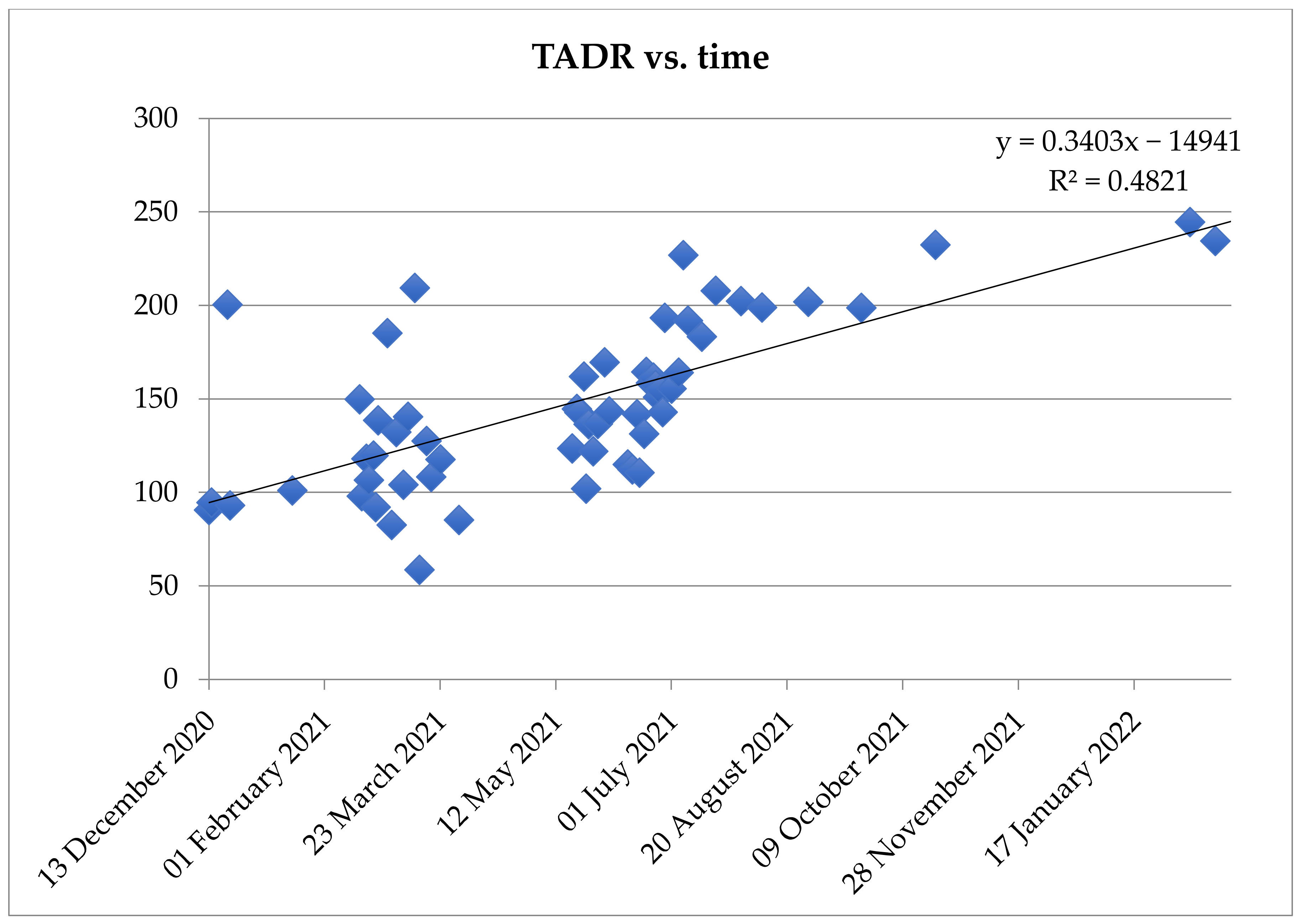
Remote Sensing | Free Full-Text | Comparison between ...
3.1 Formula Mass and the Mole Concept - Chemistry A mole is defined as the amount of substance containing the same number of discrete entities (such as atoms, molecules, and ions) as the number of atoms in a sample of pure 12 C weighing exactly 12 g. One Latin connotation for the word "mole" is "large mass" or "bulk," which is consistent with its use as the name for this unit.
Chapter 3: Information Sources Chapter 3: Information Sources
Definition, Different Forms of Energy and FAQs - VEDANTU Nuclear Energy, also known as atomic energy, is defined as the energy that is released as a result of processes in which atomic nuclei (i.e., the core of the atom) are affected. There are two methods by which nuclear energy can be released. One is known as nuclear fission and the other one is known as nuclear fusion. The Transformation of Energy
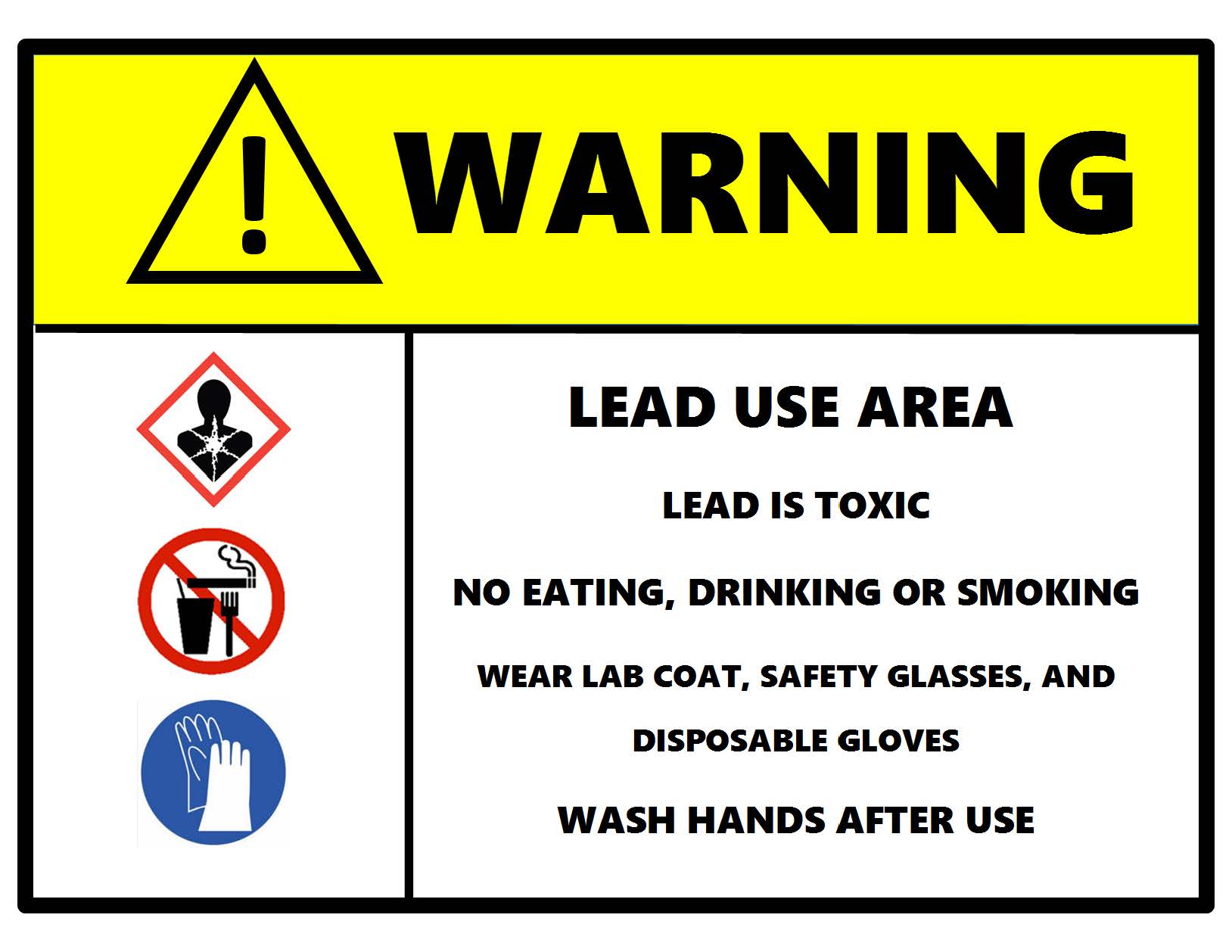
Caution Signs and Warning Signs | EHS
Explosive symbols are used with those materials that release Jun 02, 2022 · Explosive symbols are used to label materials that release great amounts of energy in all of the following EXCEPT: Sound. Expert answered| Jozeal |Points 82333| Log in for more information.
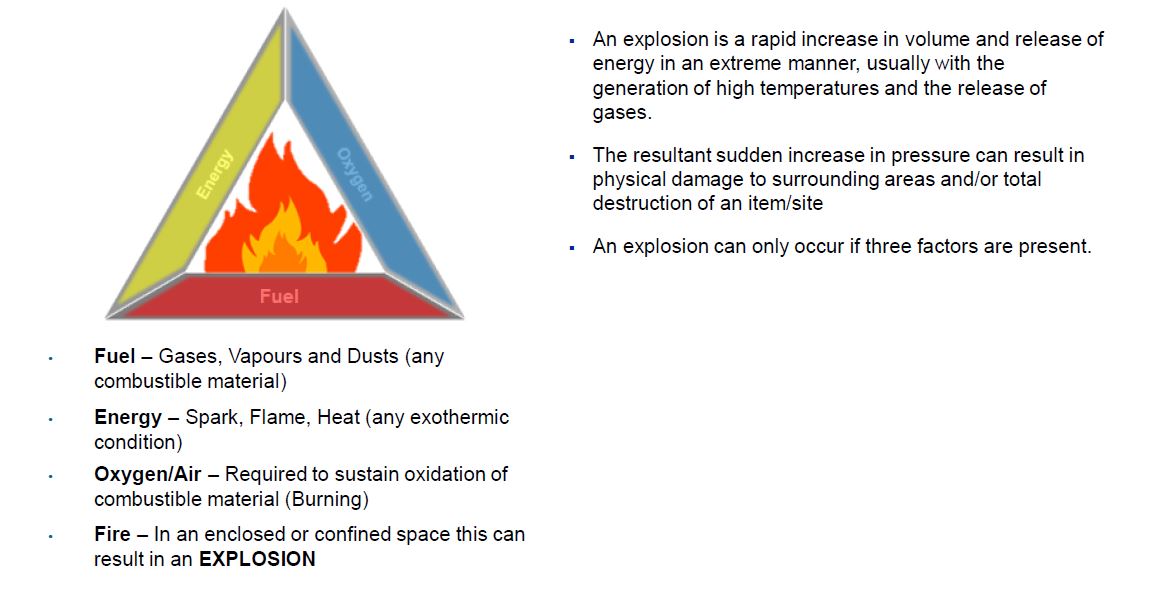
Hazardous
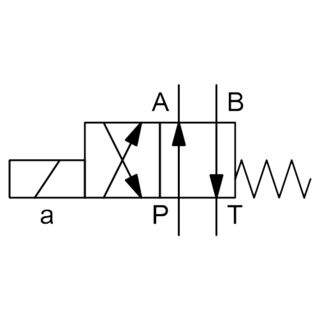
Valves with ATEX approval | HYDAC
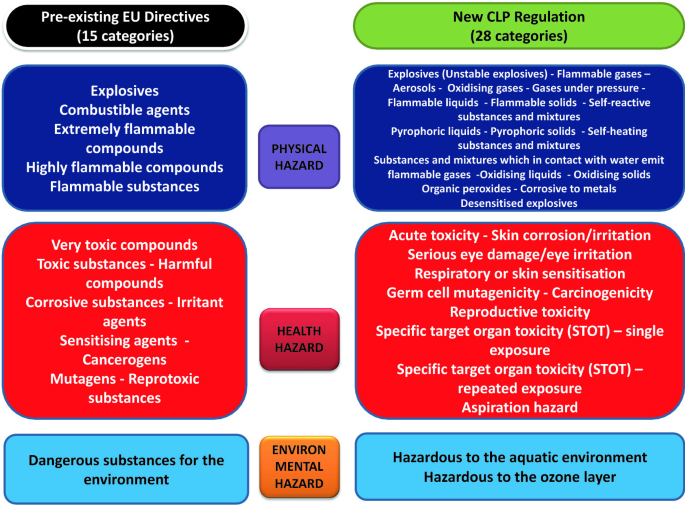
The Durable Management of Chemicals in the Food Industry and ...
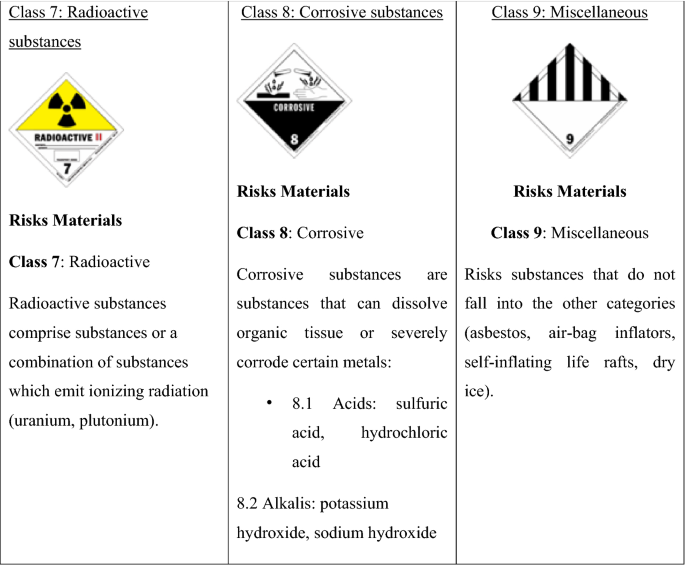
Management of risks substances and sustainable development ...
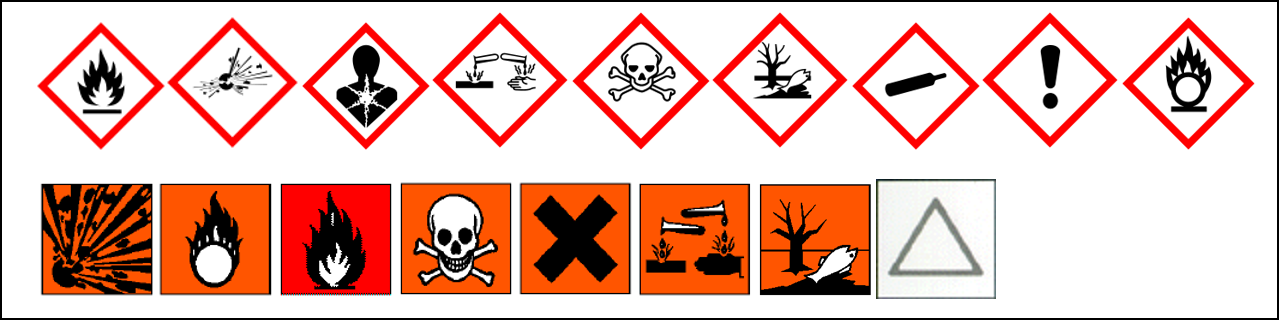
EU - Labeling/Marking Requirements
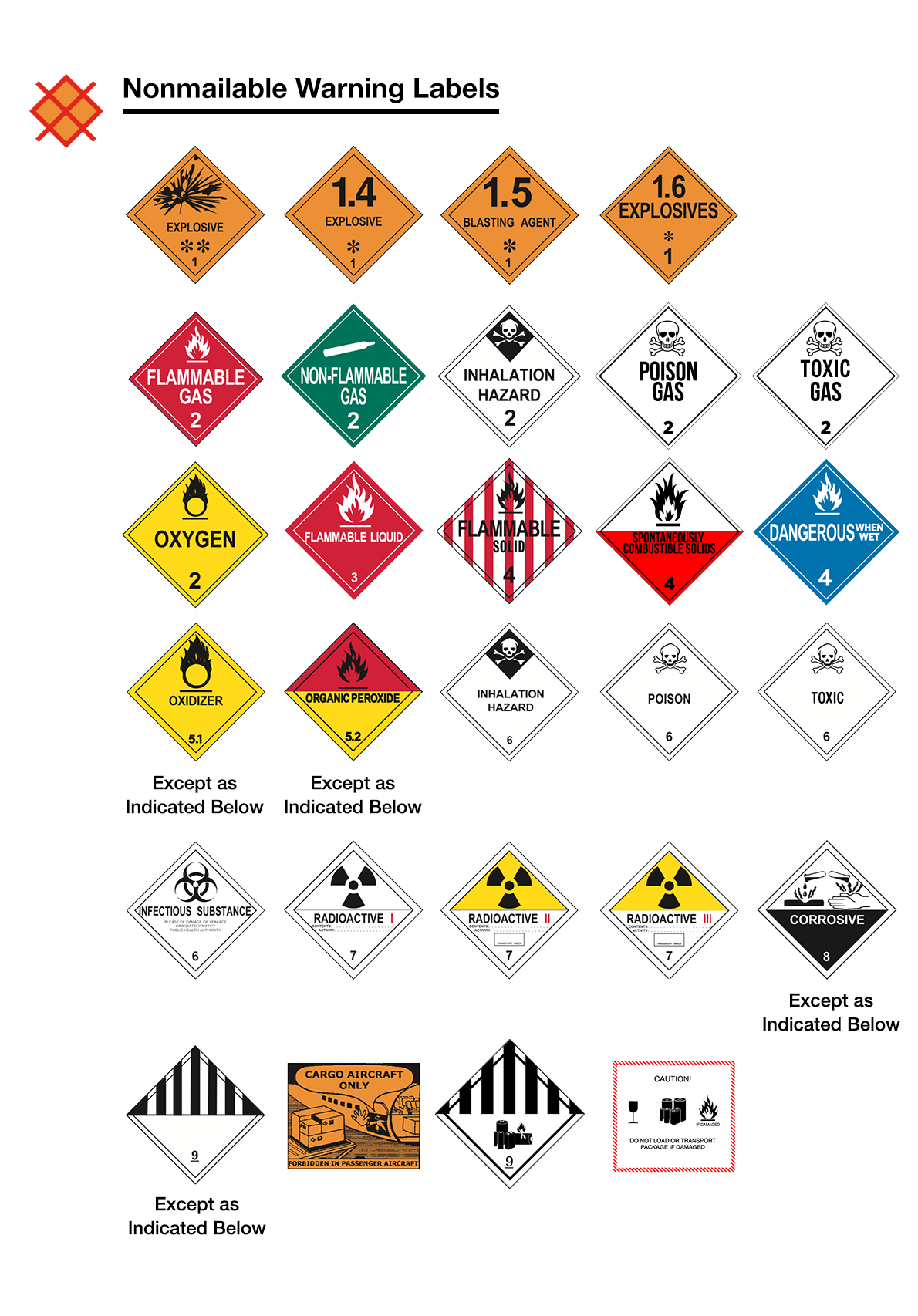
HAZMAT Shipping Safety Guide | USPS Delivers
Untitled

Materials | Free Full-Text | Picosecond Bessel Beam ...
National chemicals registers and inventories: benefits and ...

eCFR :: 29 CFR 1910.1200 -- Hazard communication.
PEMILIHAN MATERIAL DAN PROSES
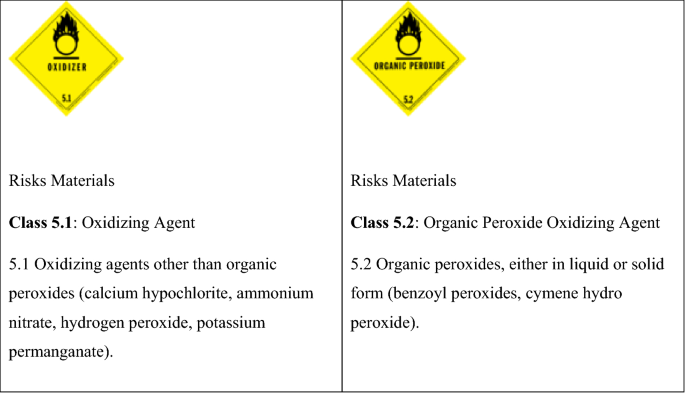
Management of risks substances and sustainable development ...
Safety, Health, and Environment Regulation PT. Chandra Asri ...
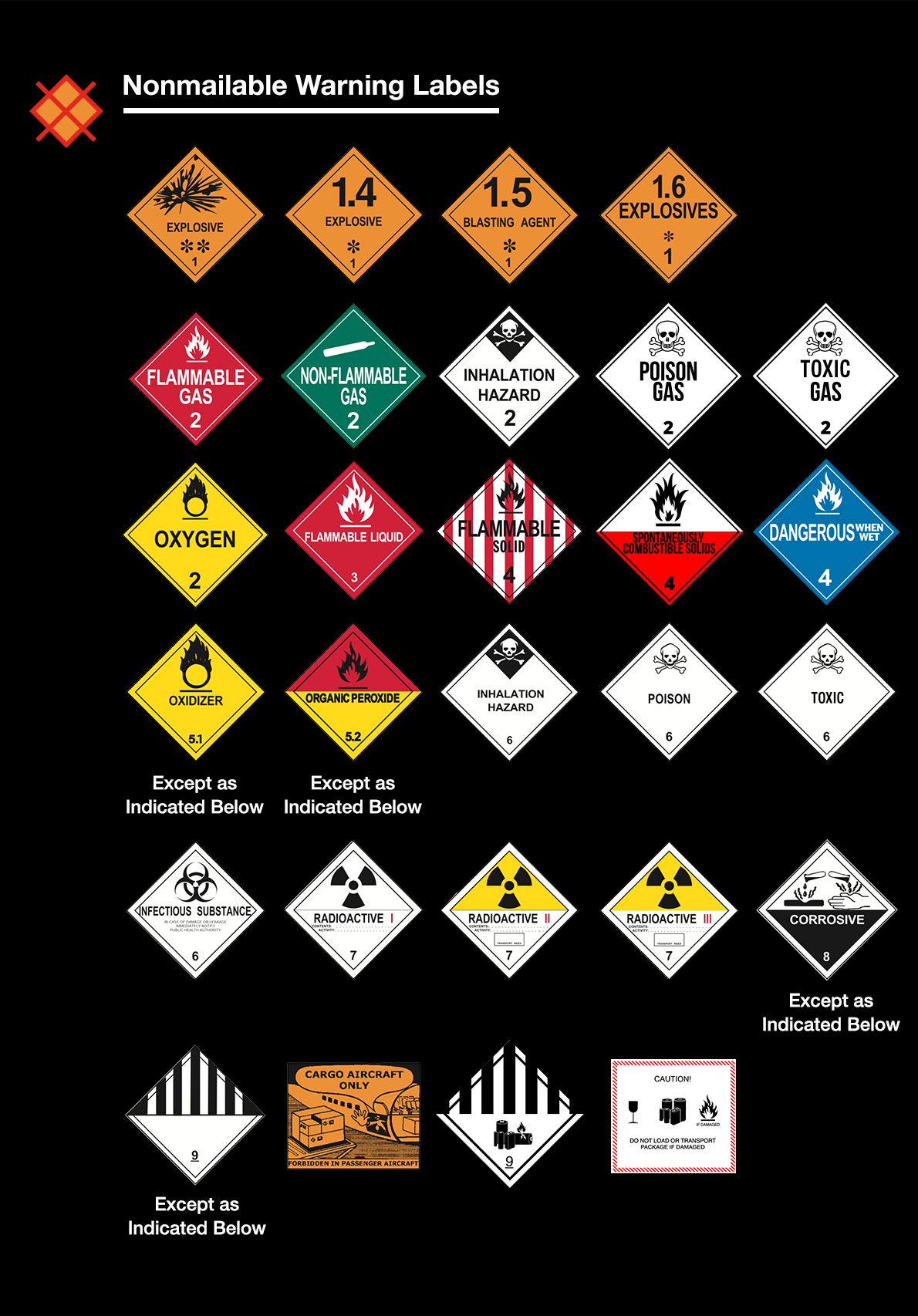
HAZMAT Shipping Safety Guide | USPS Delivers
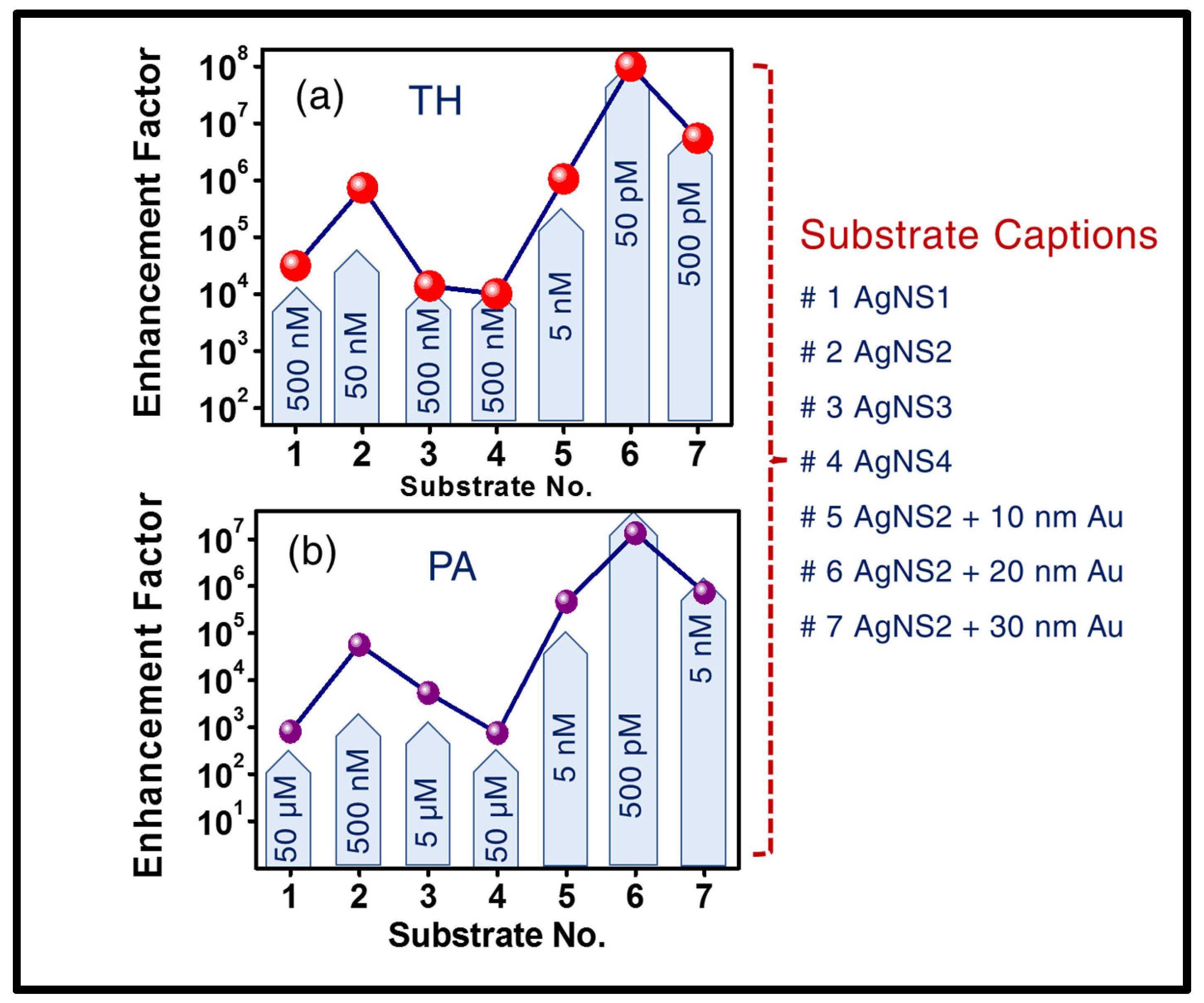
Materials | Free Full-Text | Picosecond Bessel Beam ...

eCFR :: 49 CFR Part 173 -- Shippers - General Requirements ...

Infographic: China's explosive EV growth to stay on track ...

Science Safety Symbols: Laboratory Safety Symbols & Meanings

The structural role of bacterial eDNA in the formation of ...
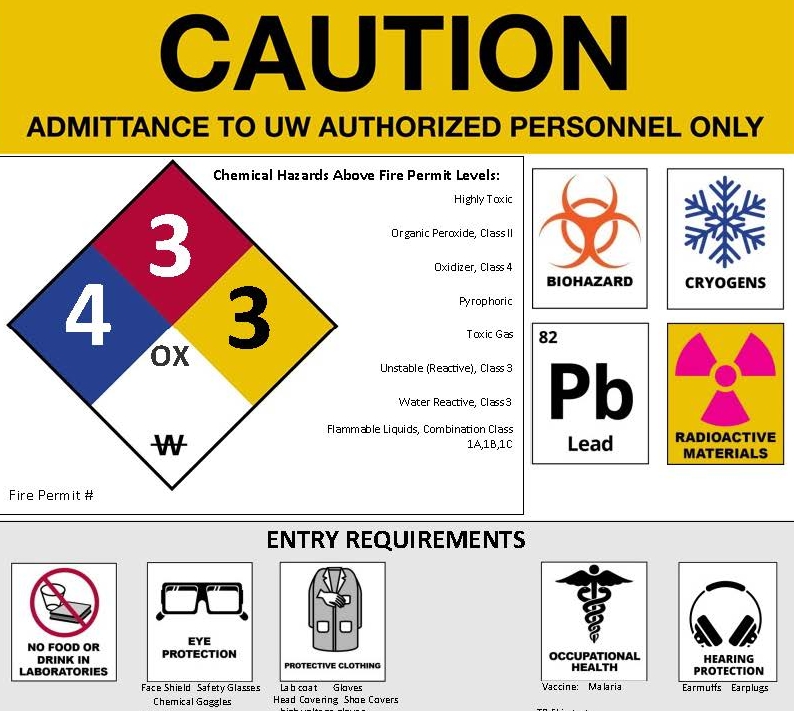
Caution Signs and Warning Signs | EHS

Science Laboratory Safety Symbols and Hazard Signs, Meanings ...
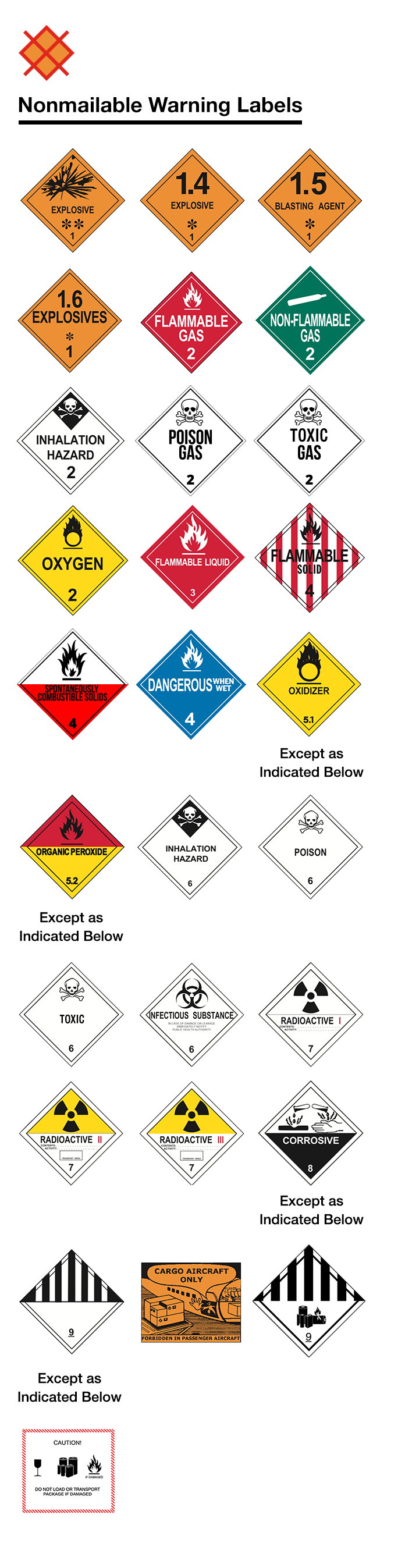
HAZMAT Shipping Safety Guide | USPS Delivers
Post a Comment for "43 explosive symbols are used to label materials that release great amounts of energy in all these forms except"